
Have you ever visited a website, discovered something useful, and willingly shared your email address to get it? Perhaps it was a free ebook, a discount code, a practical checklist, or a guide that promised to solve a problem you were facing.
That simple exchange is the foundation of email list building. For bloggers, affiliate marketers, digital creators, and online businesses, attracting visitors is only half the job. The real challenge is turning those visitors into subscribers who genuinely want to hear from you.
This is where squeeze page examples can help. They show how a focused headline, a relevant offer, and a straightforward signup form can encourage visitors to take action without making them feel pressured.
The good news is that you do not need an expensive website, complicated animations, or aggressive pop-ups to get started. You need to understand your audience, create something worth receiving, and make the signup process easy.
In this guide, we will explore 15 practical page concepts, explain why each approach may work, and show you how to use these ideas in your own marketing funnel. You will also learn how to build a page, select a suitable tool, measure results, and attract relevant traffic with the help of resources such as OptinSoloAd.
Whether you are starting your first email list or improving an existing campaign, these squeeze page examples will help you make more informed decisions.
Key Takeaways
- Offer something useful: Give visitors a genuine reason to subscribe, such as a checklist, template, guide, or discount.
- Keep the message clear: Explain what subscribers receive and how it helps them.
- Simplify the signup process: Request only the information you need.
- Match traffic to your offer: Relevant visitors are more useful than clicks from an audience with no interest in your topic.
- Measure and improve: Track signups, engagement, and campaign costs before making bigger investments.
Grow Your Email List With Targeted Traffic
Discover how OptinSoloAd can help bring visitors to your squeeze page. Explore our homepage and find traffic solutions for your next campaign.
What Is a Squeeze Page?
A squeeze page is a focused landing page designed primarily to collect a visitor’s email address in exchange for something valuable. That reward is often called a lead magnet.
For example, a fitness coach might offer a free seven-day workout plan. A marketing consultant could share a downloadable SEO checklist. An online store might provide a welcome discount to new subscribers.
Unlike a regular website page, which may encourage visitors to explore several products or articles, a squeeze page concentrates on one primary action: signing up.
The purpose of studying squeeze page examples is to understand how different offers can motivate people to share their contact details. As these squeeze page examples demonstrate, a page does not need to look complicated to be effective. It needs to communicate its value clearly.
Before creating your own page, make sure visitors can answer three simple questions:
- What will I receive?
- Why is it useful to me?
- What do I need to do to get it?
When these answers are clear, visitors can decide whether the offer matches their needs.
15 Squeeze Page Examples That Encourage Email Signups
The following ideas illustrate different approaches to collecting email subscribers. They are practical examples based on common marketing techniques, not claims about verified conversion results from particular companies.
1. The Free Ebook Squeeze Page
Best for: Bloggers, educators, coaches, consultants, and affiliate marketers.
An ebook is a familiar lead magnet because it allows you to organize useful information into one downloadable resource.
Imagine a digital marketing blog offering an ebook titled The Beginner’s Guide to Building Your First Email List. The page features a headline, a short description, an ebook cover preview, and an email signup form.
One of these squeeze page examples might use a headline such as:
Get Your Free Guide to Building an Email List From Scratch
The supporting copy could explain that readers will learn how to choose a lead magnet, create a signup page, and plan their first follow-up emails.
One reason these squeeze page examples are useful is that the offer is easy to understand. Visitors know what they will receive and can judge whether the resource is relevant to them.
How to apply it: Choose a topic your audience regularly struggles with. Keep the ebook focused, provide practical advice, and deliver the promised download promptly after signup.
2. The Free Checklist Squeeze Page
Best for: Busy professionals, marketers, freelancers, and beginners.
Not everyone wants to read a lengthy ebook. Sometimes people simply need a quick list of actions to complete a task.
These squeeze page examples show how a simple checklist can turn a complicated process into manageable steps. For example, a website targeting affiliate marketers could offer a Pre-Launch Funnel Checklist covering form testing, email delivery, tracking links, mobile responsiveness, and analytics.
A suitable headline would be:
Launch Your Next Funnel Without Missing the Essentials
The page could show a small preview of the checklist and explain how it helps users review their setup before sending traffic.
Among the most practical squeeze page examples, checklist pages are particularly suitable for audiences that value speed and simplicity.
How to apply it: Focus on one task, use clear action words, and avoid filling the checklist with obvious advice. Every item should help the reader complete a real step.
3. The Free Template Squeeze Page
Best for: Designers, content creators, marketers, and small-business owners.
Templates save time. Instead of creating a document, campaign plan, or spreadsheet from scratch, users can start with a ready-made structure.
Consider a marketing website offering a free email campaign calendar. The signup page shows a preview of the calendar, explains what it contains, and lets visitors request their copy.
A possible headline is:
Plan Your Next 30 Days of Email Marketing With This Free Template
This type of offer makes squeeze page examples especially useful for attracting people who are already working toward a particular goal. It also gives subscribers something they can use immediately.
When studying squeeze page examples, pay attention to how the resource is presented. A clear preview can communicate its value more effectively than several paragraphs of promotional copy.
How to apply it: Create a template that solves one recurring problem. Explain whether it is editable, which software it requires, and how the subscriber will receive it.
4. The Welcome Discount Squeeze Page
Best for: Ecommerce stores and direct-to-consumer brands.
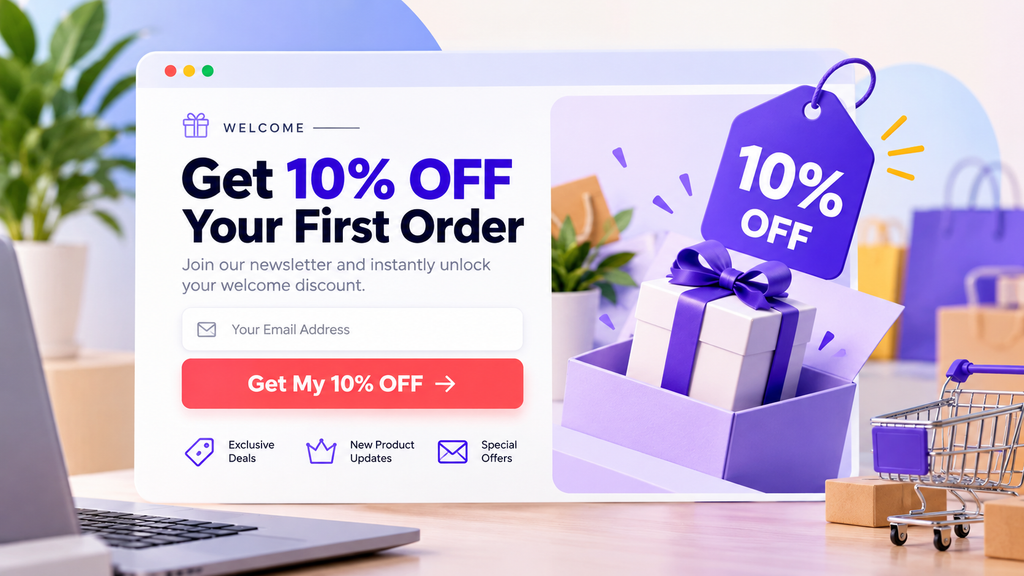
Among ecommerce-focused squeeze page examples, discount offers provide a straightforward reason for shoppers to join an email list.
For example, an online skincare store might invite first-time visitors to subscribe in exchange for a 10% welcome discount, subject to the store’s actual offer terms.
The headline could read:
Enjoy 10% Off Your First Order
Below it, the page explains how to receive the code. A simple email field and a button such as “Send My Discount” complete the experience.
These squeeze page examples are familiar because the benefit is immediate and easy to understand. However, the discount must make commercial sense. If your margins are tight, you could offer a buying guide, early access, or free shipping above a qualifying order value instead.
How to apply it: State the conditions clearly, ensure the code works, and explain when the subscriber will receive it. Do not advertise a deadline unless it is genuine.
5. The Free Email Course Squeeze Page
Best for: Educators, coaches, consultants, and subject-matter experts.
An email course delivers a series of short lessons directly to a subscriber’s inbox.
Imagine a copywriting coach offering a five-day course on writing clearer marketing headlines. The signup page explains the learning outcome and tells visitors how often they will receive lessons.
A possible headline is:
Write Better Marketing Headlines in Five Short Lessons
The supporting text could outline the topics covered on each day, helping visitors decide whether the course suits their needs.
Unlike a single download, this type of offer shows how squeeze page examples can encourage subscribers to return to their inbox over several days. It can also help you build a relationship before introducing a paid product or service.
These squeeze page examples are useful when your expertise is best taught in manageable steps.
How to apply it: Outline the entire course before promoting it. Set realistic expectations, automate delivery where possible, and make every lesson useful on its own.
6. The Webinar Registration Squeeze Page
Best for: B2B businesses, software companies, coaches, and professional educators.
Among educational squeeze page examples, webinar signup pages offer visitors access to a live or recorded learning session.
For example, a consultant could host a free webinar about improving website conversion rates. The page would display the session title, the date and time if it is live, the key learning points, and a registration form.
A headline might read:
Learn Five Practical Ways to Improve Your Website Signup Rate
Visitors should know what the session covers and whether they must attend live or can watch a replay.
Among educational squeeze page examples, webinar pages are useful for audiences who want to learn directly from an expert. They can also help businesses discover which topics attract interest.
How to apply it: Use a specific topic rather than a vague promise. Explain who should attend, send confirmation details promptly, and obtain any necessary consent for follow-up marketing.
7. The Free Trial or Product Demo Signup Page
Best for: SaaS companies, online tools, and subscription-based services.
Some squeeze page examples focus on helping visitors experience a product before deciding whether it suits them.
A software company might offer a free trial or a guided product demonstration. Its page could show the product interface, explain the main use case, and provide a clear signup button.
For example:
Organize Your Projects With a Free Trial
The supporting copy should explain what the trial includes, whether a payment card is required, and when the trial ends.
This may be a broader lead-generation landing page rather than a traditional squeeze page if the primary goal is trial activation. Still, it illustrates an important principle found in squeeze page examples: the offer should match what the visitor actually wants to accomplish.
How to apply it: Explain the next step honestly. Do not describe a paid feature as free, hide trial conditions, or collect unnecessary information before users can experience the product.
8. The Exclusive Newsletter Squeeze Page
Best for: Publishers, bloggers, industry experts, and niche communities.
These squeeze page examples also show that not every lead magnet needs to be a downloadable file. A newsletter can be the offer itself when readers expect useful, consistent information.
Imagine a newsletter covering practical SEO lessons for small businesses. Its signup page explains what subscribers will receive, how frequently emails arrive, and who the content is designed for.
A headline could read:
Get Practical SEO Tips in Your Inbox Every Week
The page might show a sample newsletter issue so visitors can judge its usefulness before signing up.
These squeeze page examples demonstrate that people may subscribe for ongoing value, provided the subject is relevant and the publisher delivers consistently.
How to apply it: Describe the newsletter’s focus, frequency, and style. Avoid vague promises such as “the best tips on the internet” when you could explain the actual topics covered.
9. The Free Video Tutorial Squeeze Page
Best for: Creators, software educators, designers, and technical trainers.
Video-focused squeeze page examples are useful when a subject is easier to demonstrate than explain in writing. A short video can show visitors exactly how to perform a task.
For example, a design educator could offer a free tutorial on creating a simple social media graphic. The signup page includes a thumbnail, a concise description, and a form to receive the lesson.
A headline might read:
Watch a Step-by-Step Tutorial for Your First Social Media Design
This approach helps visitors understand the learning experience before subscribing.
Among hands-on squeeze page examples, video-based offers can be particularly suitable for visual or technical subjects.
How to apply it: Keep the lesson focused on one useful outcome. Explain the required tools, provide captions where possible, and ensure the promised video is accessible after signup.
10. The Quiz or Assessment Squeeze Page
Best for: Consultants, educators, fitness professionals, and service businesses.
People often enjoy learning something about their current situation, especially when the result helps them make a decision.
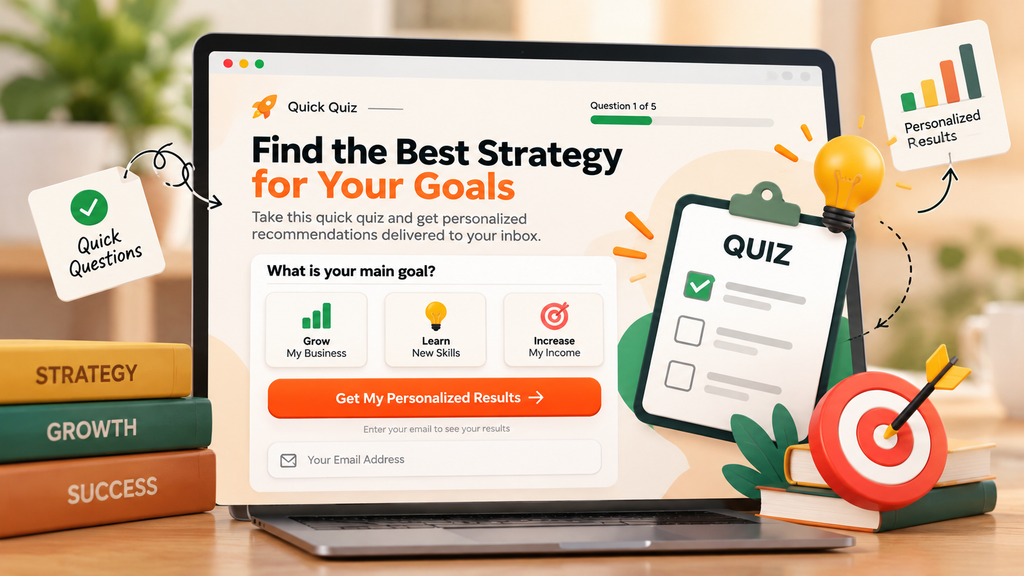
A business consultant might offer a short marketing-readiness assessment. Visitors answer a few relevant questions and provide their email address to receive a personalized summary or action plan.
A headline could read:
Find Out Which Part of Your Marketing Funnel Needs Attention
This type of page creates curiosity while showing how squeeze page examples can connect an email signup to a useful outcome.
However, the result should be meaningful. A quiz that merely collects personal details without offering a useful explanation may weaken trust.
When examining squeeze page examples, ask whether the assessment helps visitors understand their problem rather than simply entertaining them.
How to apply it: Ask relevant questions, explain how results are generated, and collect only the data you need. Do not present a simple quiz as a professional diagnosis or definitive assessment.
11. The Free Resource Library Squeeze Page
Best for: Content websites, online educators, and specialist communities.
Resource-library squeeze page examples bring several useful materials together in one place to encourage subscriptions. These might include worksheets, checklists, templates, and short guides.
For example, a small-business blog could offer a starter library containing a content calendar, an email planning worksheet, and a website launch checklist.
The headline might read:
Get Access to Our Free Marketing Resource Library
The page explains what is included and how subscribers can access the materials.
These squeeze page examples work best when the collection feels organized and useful rather than like a pile of unrelated downloads.
How to apply it: Start with a small set of quality resources. Explain the contents clearly, keep downloads organized, and update outdated materials when necessary.
Turn Your Squeeze Page Into a Growth Opportunity
Put your squeeze page strategy into action with OptinSoloAd. Visit our website, explore available services, and take the next step toward growing your audience.
12. The Early-Access Signup Page
Best for: Startups, product creators, app developers, and businesses preparing a launch.
Among product-launch squeeze page examples, an early-access page lets interested people register for updates or request access before a product becomes widely available.
Imagine a software startup preparing a new content-planning tool. Its page explains the problem the tool aims to solve, shows an honest preview, and invites visitors to join the early-access list.
A possible headline is:
Be Among the First to Try Our New Content Planning Tool
The page should clarify whether early access is guaranteed, limited, invite-only, or simply a way to receive launch updates.
In this category of squeeze page examples, transparency matters because the product may not yet be ready.
How to apply it: Explain what exists today, what is still being developed, and what subscribers can expect next. Do not invent user numbers, testimonials, or launch deadlines.
13. The Free Consultation Request Page
Best for: Agencies, consultants, freelancers, and professional service providers.
A consultation offer can attract people who need help with a particular challenge.
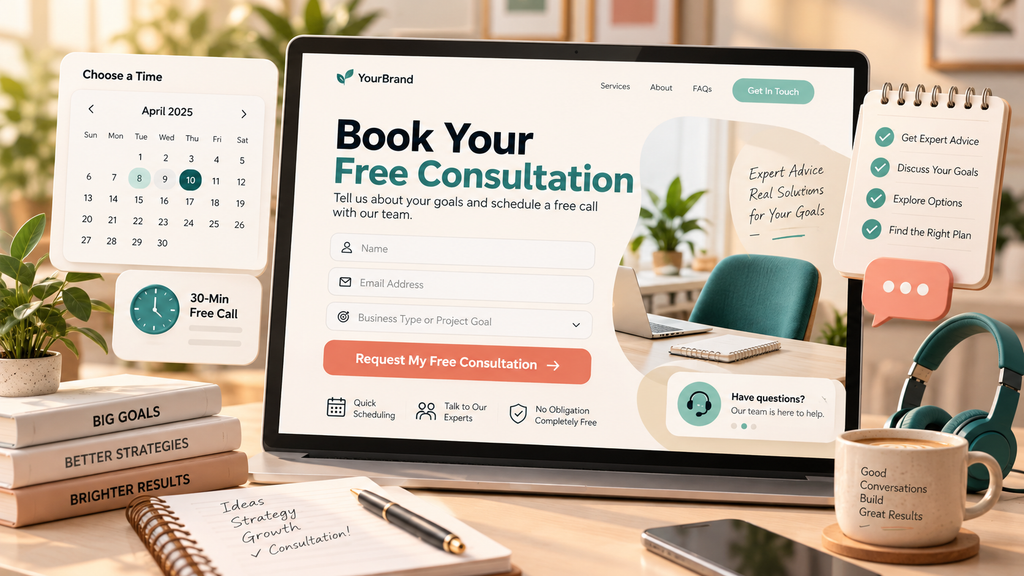
For instance, a marketing agency might offer a short introductory discussion about improving a client’s lead-generation funnel. The page explains the intended audience, the discussion’s scope, and the next step.
A headline might read:
Discuss Your Website’s Lead-Generation Opportunities
This approach differs slightly from a conventional squeeze page because the main conversion may be a booking rather than an email subscription. Still, it shares the same principle of presenting one clear offer.
Some squeeze page examples are better understood as lead-generation pages when they request additional information or encourage visitors to schedule a call.
How to apply it: Explain who the consultation is for, how long it lasts, and whether it is free. Ask for contact details only when they are needed to arrange the meeting.
14. The Free Industry Report Squeeze Page
Best for: B2B marketers, researchers, consultants, and professional publishers.
A well-researched report can help readers understand market trends, compare approaches, or make informed business decisions.
For example, a marketing publisher could prepare a report explaining email marketing benchmarks using properly attributed, clearly dated research.
The headline could read:
Download Our Email Marketing Research Summary
The page should describe the report’s scope, publication date, sources, and key questions it addresses.
These squeeze page examples are useful when the audience values evidence and detailed analysis. A report can also demonstrate your subject knowledge when the information is original and carefully presented.
How to apply it: Cite your sources, distinguish findings from opinions, and avoid presenting a small sample as representative of an entire industry. If the report contains estimates, explain the limitations.
15. The Affiliate Marketing Funnel Squeeze Page
Best for: Affiliate marketers, online entrepreneurs, and lead-generation businesses.
Affiliate marketers often need a way to introduce an audience to a topic before recommending a relevant product or service.
A squeeze page can support that process by offering a useful free resource first. For example, a marketer promoting an email marketing tool might offer a checklist for planning a beginner-friendly email funnel.
The headline could read:
Build Your First Email Funnel With This Free Starter Checklist
After subscribing, visitors receive the resource and can be introduced to relevant educational emails. Any affiliate recommendation should be disclosed clearly, and the follow-up content should remain useful even when a reader does not buy anything.
These squeeze page examples are particularly relevant to affiliate marketers because they connect audience building with a longer-term marketing strategy.
How to apply it: Choose a lead magnet related to the product you recommend. Make the signup experience clear, disclose affiliate relationships, and track which campaigns generate engaged subscribers rather than focusing on clicks alone.
What Makes a Squeeze Page Effective?
These squeeze page examples differ in their offers, but several principles connect them. Understanding these principles will help you create a page that fits your audience instead of copying a design without knowing why it works.
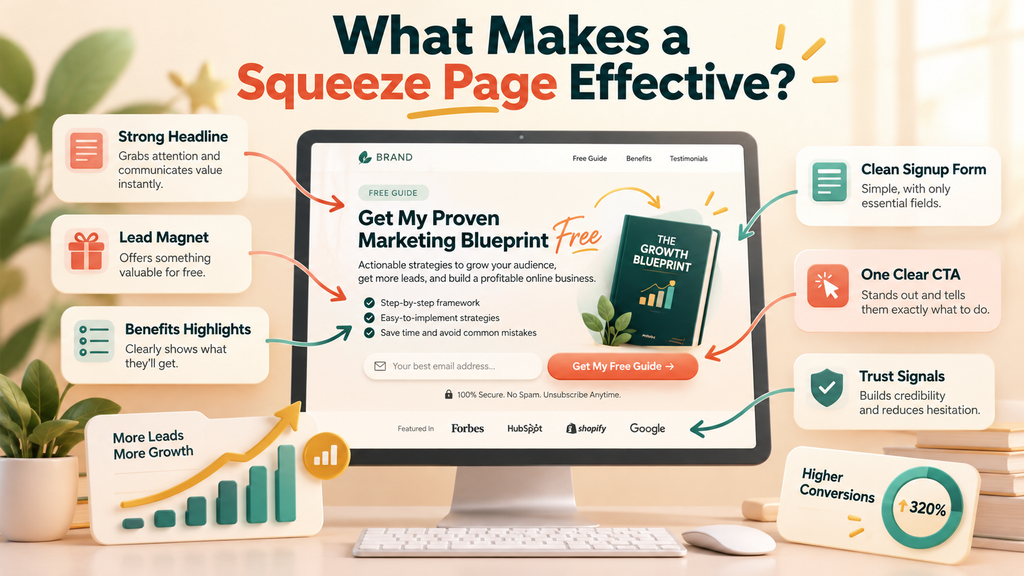
1. Write a Clear, Benefit-Focused Headline
Visitors should not have to guess what they will receive.
Compare these two headlines:
- “Join Our Mailing List”
- “Get a Free Checklist for Launching Your First Email Campaign”
The second headline explains both the offer and its intended use. It gives the visitor a concrete reason to consider subscribing.
A useful headline does not need exaggerated promises. It needs to communicate a relevant benefit in ordinary language.
2. Choose a Relevant Lead Magnet
A free offer is valuable only when the intended audience actually wants it.
A beginner’s guide may suit someone learning a subject, while an advanced spreadsheet may be more helpful to an experienced professional. The goal is to match the offer to the visitor’s needs.
When comparing good squeeze page examples, look beyond attractive graphics. Ask whether the incentive solves a real problem for the people visiting the page.
3. Keep the Signup Form Simple
An email-only form may be sufficient when you simply need an address to deliver a download. If personalization or a consultation requires a name or another detail, explain why you are requesting it.
Do not remove fields blindly. The right form depends on the task, audience, and information needed to deliver the promised service.
4. Use One Main Call to Action
The call-to-action button should make the next step obvious.
Examples include:
- Get the Free Guide
- Send Me the Checklist
- Join the Webinar
- Access the Template
Avoid using several competing buttons for unrelated offers. A focused page helps visitors understand what to do.
5. Build Trust Through Transparency
Email addresses are personal information, and people may hesitate before sharing them.
Explain what subscribers can expect, link to an appropriate privacy notice, and follow applicable privacy and marketing laws. Never promise that information will remain private unless your actual practices support that promise.
6. Make the Page Mobile-Friendly
Many visitors arrive through mobile devices, including links in social media posts, emails, and advertisements.
Make sure the headline is readable, form fields are easy to use, and the signup button is visible without unnecessary scrolling. Compress large images and test the page on different screen sizes.
7. Deliver the Promised Resource
A signup is the beginning of the relationship, not the end.
After a visitor subscribes, confirm the signup and deliver the promised resource. Then send relevant follow-up emails that match the expectations set on the page.
The lesson from great squeeze page examples is that the entire experience, from the original traffic source to the follow-up email—needs to feel consistent.
How to Build a Squeeze Page Step by Step
You do not need to be a professional designer to create a useful signup page. A clear process can help you move from an idea to a working campaign.
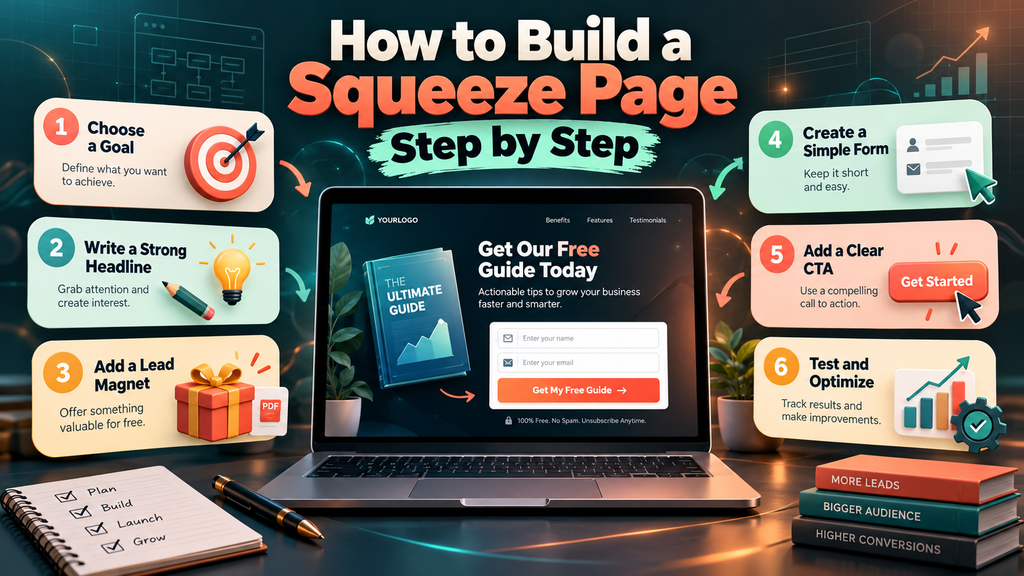
Step 1: Define Your Goal
Decide what you want the page to accomplish. Is it intended to grow your newsletter, distribute a resource, register webinar attendees, or introduce visitors to an affiliate marketing funnel?
Choose one primary action and identify the audience you want to reach.
Step 2: Choose Your Lead Magnet
Pick a resource that directly addresses a problem your audience faces.
If you are targeting new affiliate marketers, for example, a beginner’s funnel checklist may be more relevant than an advanced guide to enterprise marketing analytics.
Keep the promise realistic and make sure you can deliver the resource reliably.
Step 3: Write the Headline and Supporting Copy
Start with the result your audience wants. Then explain what the offer includes and who will benefit from it.
Three concise bullet points are often enough to communicate the main benefits. Use specific language and remove unnecessary claims.
Step 4: Choose a Squeeze Page Builder
A squeeze page builder can simplify the process by providing layouts, form elements, and publishing options.
When comparing tools, check whether they support mobile-friendly templates, email marketing integrations, analytics, custom domains, and the features you need for your campaign.
Some platforms offer a squeeze page builder free plan or trial, while others charge for particular features. Confirm current pricing and plan restrictions before committing.
Step 5: Create the Page Layout
When creating a squeeze page, begin with a simple structure:
- A benefit-focused headline.
- A short explanation of the offer.
- A preview or image of the resource, if useful.
- A signup form.
- One clear call-to-action button.
- A brief privacy statement or relevant reassurance.
These elements provide a practical starting point. Add extra content only when it helps visitors understand the offer or make an informed decision.
Step 6: Connect Your Email System
Make sure the form sends subscriber information to the correct list or email platform.
Set up the delivery email, confirmation page, and any necessary consent process. Test the entire journey using a test address before publishing the page.
Step 7: Send Relevant Traffic
Even well-designed pages need visitors who are interested in the offer.
You might attract visitors through search content, social media, partnerships, paid advertising, or solo-ad campaigns. Each channel brings different audience expectations, so measure results separately.
For marketers exploring paid traffic, OptinSoloAd offers solo-ad traffic packages designed to send visitors to marketing offers and funnels. The website also describes campaign reviews and funnel consultation. The suitability of a traffic source depends on your audience, offer, and campaign goals, so results should be measured rather than assumed.
Step 8: Measure and Improve
Track the number of unique visitors, signups, conversion rate, and subsequent email engagement.
Your basic signup conversion rate is:
Conversion rate = (Number of signups ÷ Number of unique visitors) × 100
For example, if 100 unique visitors produce 20 signups, the conversion rate is 20%.
This is an illustrative calculation, not a prediction of campaign performance. Results vary with audience intent, traffic quality, offer relevance, device, and many other factors.
Change one major element at a time where practical, gather enough data to make a useful comparison, and avoid declaring a winner based on a tiny sample.
Common Mistakes to Avoid
Even a strong offer can struggle when the signup experience creates confusion or distrust.
Making the offer vague: Visitors should know what they will receive. Replace broad promises with a clear description of the resource.
Asking for too much information: Request only the details needed for your stated purpose. Extra fields should have a genuine reason to exist.
Using misleading urgency: Countdown timers and limited-time offers should reflect real deadlines or restrictions. Fake scarcity can damage trust.
Ignoring the delivery process: A signup form is not enough if the promised download never arrives. Test your confirmation email, download link, and automation.
Sending unrelated follow-up emails: Subscribers who request a marketing checklist should not immediately receive a series of unrelated promotions. Keep the sequence relevant and disclose commercial relationships where required.
Buying traffic without tracking outcomes: A high click count does not automatically mean a campaign is profitable. Track cost per subscriber, subscriber engagement, and eventual business outcomes.
Copying a design without understanding its audience: A discount offer and a research report serve different needs. Use squeeze page examples as inspiration, then adapt the structure to your offer and visitors.
How OptinSoloAd Fits Into Your Marketing Strategy
Creating a signup page and bringing relevant visitors to it are two different tasks. You can have an excellent lead magnet, but it will not collect many subscribers if the right people never see it.
This is why traffic planning deserves attention alongside page design.
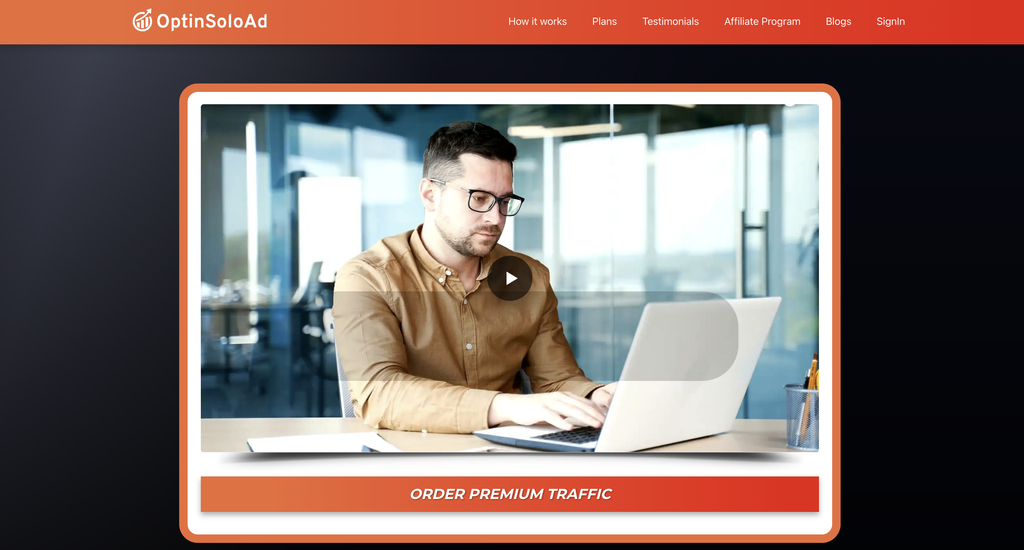
OptinSoloAd offers solo-ad traffic packages intended for marketers who want to direct visitors to their offers and funnels. Its website describes traffic options and campaign support for marketers seeking to test or improve their funnel.
However, traffic alone cannot guarantee email signups or sales. Your offer, landing-page experience, audience match, and follow-up process all affect the outcome.
A sensible way to approach a new campaign is to:
- Build and test your page before purchasing traffic.
- Choose a traffic package that fits your budget and intended audience.
- Set up analytics and use campaign-specific tracking where possible.
- Measure unique visitors, completed signups, and subsequent engagement.
- Compare the cost of acquiring subscribers with the value those subscribers generate over time.
If you are comparing squeeze page examples before launching a campaign, start with one well-defined offer. Once you understand how visitors respond, you can improve the design, refine your messaging, and make better decisions about where to invest in traffic.
The aim is not to chase the largest number of visitors. It is to build a relevant audience that genuinely wants the information or service you provide.
Find the Right Traffic Plan for Your Funnel
Ready to attract more visitors? Explore OptinSoloAd pricing plans, compare available traffic options, and choose a package that fits your marketing budget.
Conclusion
The right page begins with a simple question: why would someone want to hear from you again?
These squeeze page examples show several ways to answer that question, from free ebooks and templates to webinars, newsletters, product trials, and affiliate marketing resources.
The strongest approach among these squeeze page examples depends on what your audience needs. Start with a useful offer, explain it clearly, keep the form easy to complete, and deliver exactly what you promise. Then measure your results and make improvements based on real visitor behavior.
Remember that a page and its traffic source work together. If you are ready to test a new campaign, consider your audience, your budget, and the quality of the experience you are offering before investing in more visitors. Resources such as OptinSoloAd can help you explore traffic options for your marketing funnel, while careful tracking helps you judge whether a campaign is meeting your goals.
You do not need a complicated funnel to begin. One relevant offer, one focused page, and a thoughtful follow-up sequence can give you a practical foundation for growing an email list.
The best time to improve your signup process is before you send more traffic to it.
FAQs
1. What is a squeeze page, and how does it work?
A squeeze page is a focused landing page designed to collect a visitor’s email address, usually in exchange for a useful resource or benefit. A visitor sees the offer, enters their email address, and submits the form. The website then delivers the promised resource or explains the next step.
2. What is the difference between a squeeze page and a landing page?
A landing page is a broad term for a page designed around a particular marketing goal. A squeeze page is a specific type of landing page focused primarily on email collection. A landing page might promote a product, book a consultation, or encourage a purchase, while a traditional squeeze page concentrates on getting a subscriber.
3. What makes a good squeeze page?
A good squeeze page has a clear headline, a relevant offer, concise supporting copy, an easy signup form, and one primary call to action. It should also work well on mobile devices and explain how the visitor’s information will be used. The offer must be valuable to the intended audience.
4. What are the best squeeze page examples for beginners?
Beginners can start by studying simple ebook, checklist, template, and newsletter signup pages. These formats are relatively straightforward to create and explain. Choose one that matches your audience’s needs and your ability to deliver useful content consistently.
5. How many fields should a squeeze page form have?
An email-only form is often sufficient when the goal is to deliver a download or subscribe someone to a newsletter. You may need additional fields for a consultation, event, or personalized service. Request only information that serves a clear purpose, and explain why it is needed when appropriate.
6. How do I build a squeeze page without coding?
You can use a landing-page or squeeze-page builder with ready-made templates, drag-and-drop editing, and form integrations. Choose a layout, add your headline and offer, connect the form to your email platform, configure resource delivery, and test the page before publishing it.
7. Is there a free squeeze page builder?
Some website and landing-page platforms offer free plans or trials, although features and restrictions vary. A free plan may limit published pages, custom domains, integrations, branding removal, or visitor volume. Check the current terms of each provider to ensure the available plan meets your needs.
8. How can I increase email signups from my squeeze page?
Start by making the offer more relevant and the headline more specific. Keep the form easy to complete, use a clear call to action, make the page mobile-friendly, and ensure that the traffic matches the offer. Test different headlines or incentives and measure signup rates before making further changes.
9. Can I use squeeze pages for affiliate marketing?
Yes. Affiliate marketers can offer useful guides, checklists, tutorials, or other lead magnets to attract subscribers interested in a relevant topic. Follow up with helpful information and disclose affiliate relationships clearly. Review the rules of your email platform, affiliate program, and applicable marketing laws before launching a campaign.
10. How can I drive traffic to a squeeze page?
You can use organic search, social media, relevant partnerships, paid advertising, or solo-ad traffic. Choose a channel that fits your audience and budget. For marketers exploring solo ads, OptinSoloAd provides traffic packages intended for marketing funnels. Track the resulting visits, signups, engagement, and costs to determine whether the channel is suitable for your campaign.
1 thought on “15 Squeeze Page Examples That Encourage Email Signups”