
Have you ever spent hours finding the perfect affiliate product, writing promotional content, and sharing links, only to receive little or no response from your audience? You’re not alone. Many affiliate marketers face this problem, and the reason isn’t always the product or the commission. Sometimes, the missing piece is the way they communicate with their subscribers.
Email marketing remains a practical way to build relationships, educate potential customers, and recommend products without depending entirely on social media algorithms. However, writing a fresh email every time you want to promote something can become exhausting. This is where affiliate marketing email templates can make your work much easier.
Whether you’re a beginner trying to earn your first affiliate commission or an experienced marketer looking to improve your email campaigns, having a collection of adaptable email examples can save time and give your promotions a clearer direction.
The trick is not to send the same promotional message to everyone. Instead, use the right email for the right situation. A welcome email should feel different from a product recommendation, while a follow-up email should offer something more useful than simply asking someone to purchase.
In this guide, we’ll explore ten practical affiliate marketing email templates that you can customize for different campaigns. You’ll also learn when to use each template, how to write better subject lines, what mistakes to avoid, and how to build an email marketing strategy that supports long-term affiliate growth.
Let’s get started!
Key Takeaways
- Start with relationships: Build trust with subscribers before introducing affiliate products or services.
- Match emails to customer journeys: Use different messages for welcoming subscribers, educating readers, promoting products, and following up.
- Focus on benefits: Explain how a product solves a real problem instead of simply listing its features.
- Personalize your communication: Adapt your message to your audience’s interests, needs, and level of experience.
- Track campaign performance: Monitor opens, clicks, conversions, and unsubscribes to understand what works and what needs improvement.
What Are Affiliate Marketing Email Templates?
Affiliate marketing email templates are prewritten email structures that marketers can customize to promote affiliate products, services, courses, software, or other offers to their subscribers.
Instead of starting from a blank page every time, you use an existing structure and adjust its subject line, introduction, product details, benefits, links, and call to action.
For example, imagine you’re promoting an email marketing tool. You could send a welcome email explaining how email marketing helps small businesses, followed by an educational email about common marketing mistakes. Later, you could introduce the tool as one possible solution and explain why you recommend it.
That’s much more helpful than sending an email that simply says, “Buy this product using my link.”
Good affiliate marketing email templates help you maintain consistency while leaving enough room for your own voice. They also make it easier to plan campaigns, test different messages, and communicate with subscribers regularly.
However, remember that a template is only a starting point. Your audience, product, and marketing goals should determine the final message.
Why Do Affiliate Marketers Need Email Templates?
Before exploring the examples, let’s understand why email templates are useful for affiliate marketing.
1. They Save Time
Writing every email from scratch takes time, especially when you’re promoting several products. Templates give you a ready-made structure that you can modify instead of rebuilding your message each time.
2. They Make Your Communication Consistent
Your subscribers should receive a recognizable experience whenever they hear from you. Consistent messaging, tone, and formatting make your communication easier to follow.
3. They Help Build Trust
Well-planned emails can educate readers, answer common questions, and provide helpful recommendations. When subscribers receive value regularly, they have more reasons to pay attention to your future messages.
4. They Support Different Marketing Goals
Not every email needs to generate an immediate sale. Some emails introduce your brand, others share educational information, and some encourage readers to explore a particular product.
The best affiliate marketing email templates cover these different stages instead of relying on promotional messages alone.
5. They Make Testing Easier
When you use a consistent email structure, you can test individual elements such as subject lines, calls to action, opening paragraphs, and product positioning.
This helps you understand which changes improve your campaign performance.
10 Affiliate Marketing Email Templates You Can Adapt
Now, let’s explore ten practical examples. Each template includes its purpose, a sample email, and suggestions for customization.
You can use these examples for software, online courses, digital products, business tools, hosting services, educational resources, and other legitimate affiliate offers.
1. Welcome Email Template for New Subscribers
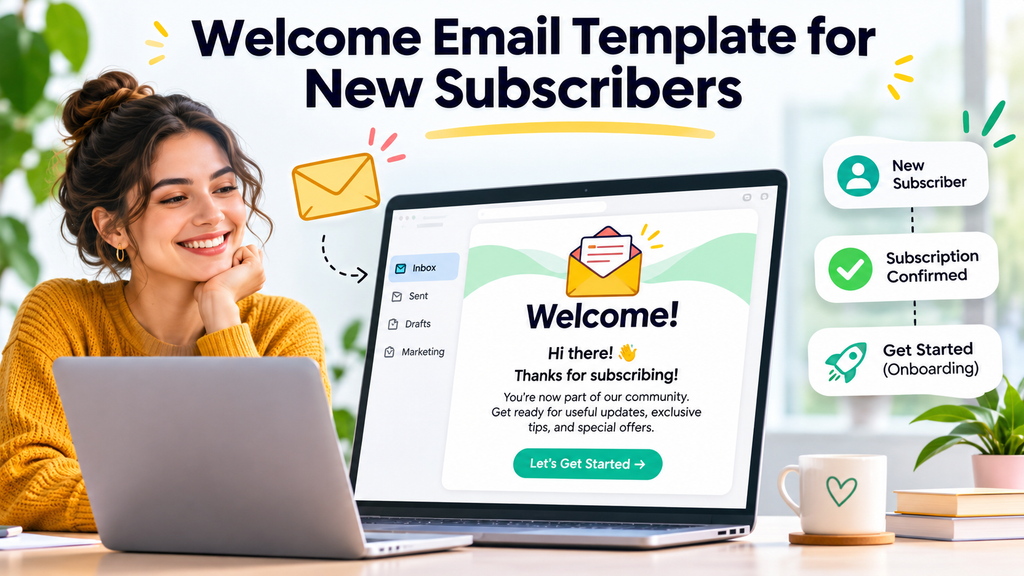
Best for: Introducing your brand and building an initial connection.
Your welcome email is often the first direct message a new subscriber receives after joining your mailing list. It creates the first impression, so avoid turning it into an aggressive sales pitch.
Start by thanking the subscriber, explaining what they can expect, and sharing something useful.
Subject Line Ideas
- Welcome! Here’s What You Can Expect
- You’re In! Let’s Make Your Marketing Better
- Thanks for Joining Us
Email Template
Subject: Welcome to [Your Brand Name]!
Hi [First Name],
Welcome aboard!
I’m glad you’ve joined our community. If you’re interested in learning more about [your niche or topic], you’re in the right place.
My goal is to share practical tips, useful resources, and honest recommendations that can help you make better decisions and achieve your goals.
Here’s what you can expect from me:
- Simple guides to help you understand [topic].
- Helpful tools and resources worth exploring.
- Practical strategies you can apply to your own business.
- Occasional product recommendations that may make your work easier.
To get started, here’s a useful resource I think you’ll enjoy:
[Insert Helpful Resource Link]
Feel free to reply to this email and tell me what you’re currently working on. I’d love to know!
Talk soon,
[Your Name]
How to Adapt This Email
Keep your welcome message friendly and straightforward. Don’t overwhelm new subscribers with multiple offers or too many links.
These affiliate marketing email templates work best when the reader feels welcomed rather than immediately targeted for a sale.
You can also create a short welcome sequence with two or three additional emails that introduce your best resources over time.
2. Educational Email Template
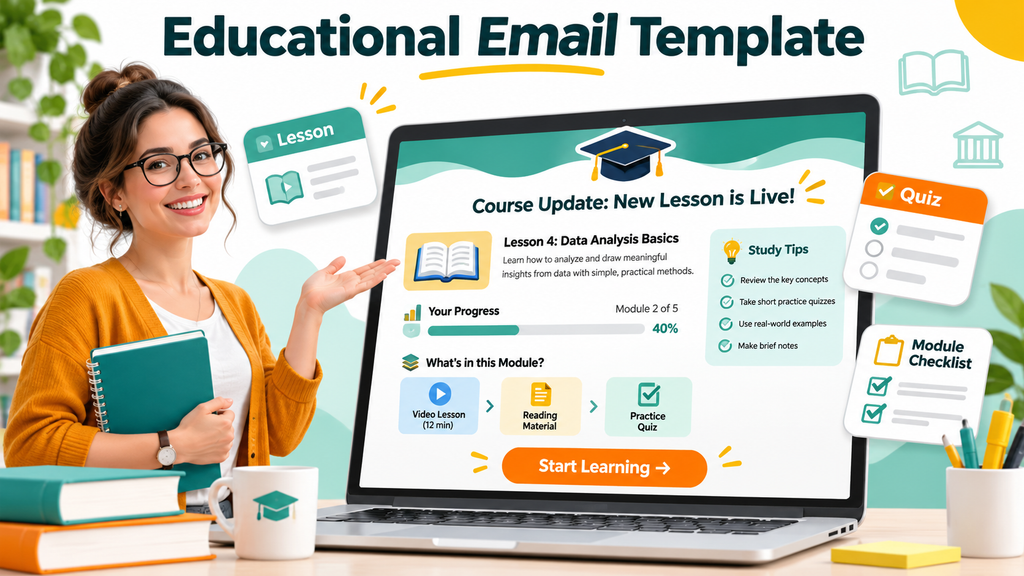
Best for: Providing value and establishing credibility before promoting a product.
People don’t subscribe to your email list just to receive advertisements. They want information that helps them solve problems.
An educational email gives you an opportunity to answer a common question, explain a useful strategy, or share a lesson from your experience.
Subject Line Ideas
- 3 Mistakes That Could Be Holding You Back
- A Simple Way to Improve Your [Specific Skill]
- Here’s Something Every Beginner Should Know
Email Template
Subject: Are You Making These [Number] Common Mistakes?
Hi [First Name],
Have you ever wondered why your efforts in [specific area] aren’t producing the results you expected?
Sometimes, the problem isn’t a lack of effort. It’s a few small mistakes that can affect your overall progress.
Here are three common mistakes worth avoiding:
1. Not Having a Clear Strategy
Working without a plan can make it difficult to understand what you’re trying to achieve. Start with a specific goal and decide which steps will help you reach it.
2. Ignoring Your Audience
Your content should address the questions and problems your audience actually has. Don’t assume you know what they need. Pay attention to their feedback.
3. Using Too Many Tools at Once
Trying every new tool can waste time and create unnecessary confusion. Choose resources that solve a genuine problem in your workflow.
If you’re looking for a practical way to simplify [specific task], you might find this resource useful:
[Insert Relevant Resource or Affiliate Link]
Remember, small improvements can make a meaningful difference when you apply them consistently.
Best,
[Your Name]
How to Adapt This Email
Choose a topic your audience genuinely cares about. For instance, if your subscribers are beginner bloggers, discuss content planning, keyword research, or website performance.
The promotional link should support the lesson rather than interrupt it.
Among the different affiliate marketing email templates, educational emails are particularly useful for building a relationship before recommending paid products.
3. Product Recommendation Email Template
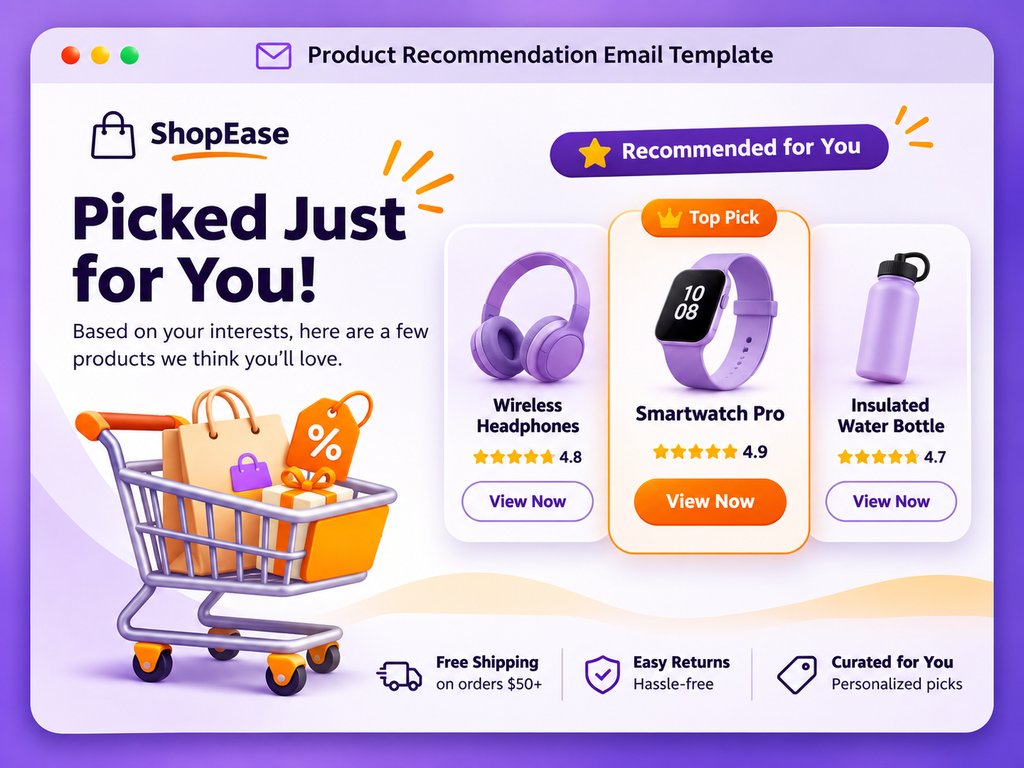
Best for: Introducing an affiliate product that solves a specific problem.
Once subscribers understand a problem and have received helpful information from you, you can introduce a product that may help them.
A good recommendation explains why the product is relevant, who might benefit from it, and what readers should consider before making a decision.
Subject Line Ideas
- A Tool Worth Checking Out
- Looking for an Easier Way to [Specific Task]?
- My Recommendation for [Specific Problem]
Email Template
Subject: Here’s a Tool That May Make [Task] Easier
Hi [First Name],
If you’ve been struggling with [specific problem], I wanted to share a resource that may be worth exploring.
It’s called [Product Name].
This product is designed to help users with [main purpose or function].
Here are a few features worth knowing about:
- [Feature 1]: Helps users [specific benefit].
- [Feature 2]: Makes it easier to [specific benefit].
- [Feature 3]: Supports [specific use case].
What I particularly like about this type of solution is that it can help simplify [relevant task], especially if you’re currently handling everything manually.
Of course, it’s important to check whether the product fits your requirements and budget before purchasing.
You can explore its features here:
[Insert Affiliate Link]
If you decide to try it, make sure you review the available plans and terms first.
Best regards,
[Your Name]
Disclosure: This email contains an affiliate link. I may earn a commission if you purchase through it, at no additional cost to you.
How to Adapt This Email
Only recommend products that are relevant to your audience. Include genuine observations and avoid claiming that a product guarantees results.
These affiliate marketing email templates should help readers make informed decisions, not pressure them into buying something they don’t need.
4. Product Review Email Template
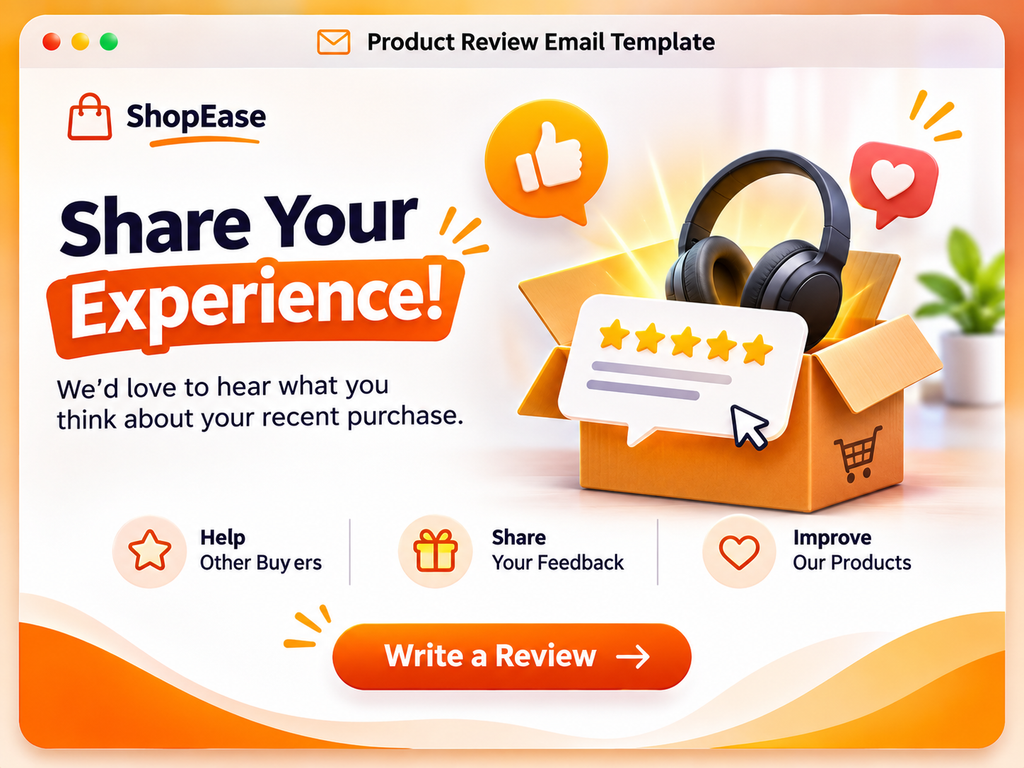
Best for: Sharing a detailed opinion about a product.
A product recommendation introduces an option, but a review goes deeper. It helps readers understand what a product does, what makes it useful, and where it may fall short.
Honest reviews are particularly important because subscribers may rely on your judgment before spending money.
Subject Line Ideas
- My Honest Thoughts on [Product Name]
- Is [Product Name] Worth Considering?
- What You Should Know Before Trying [Product Name]
Email Template
Subject: My Experience and Thoughts on [Product Name]
Hi [First Name],
I’ve been looking into [product category] recently, and one product worth discussing is [Product Name].
If you’re considering using it, here’s a quick overview.
What Does It Do?
[Explain the product’s main purpose in simple language.]
What Are Its Main Advantages?
- [Advantage 1]
- [Advantage 2]
- [Advantage 3]
Are There Any Limitations?
Like any product, it may not be suitable for everyone. Consider [mention relevant limitation, such as pricing, learning curve, feature restrictions, or compatibility].
Who Should Consider It?
It may be worth exploring if you’re [describe the ideal customer or use case].
If you want to learn more, check the official product details here:
[Insert Affiliate Link]
My suggestion is to compare it with your requirements before making a final decision.
Let me know if you’ve used it. I’d love to hear your thoughts!
Best,
[Your Name]
How to Adapt This Email
Never invent personal experience. If you haven’t personally tested a product, describe the email as an overview based on publicly available product information rather than calling it a personal review.
A transparent review can be more useful than exaggerated praise.
When adapting affiliate marketing email templates for reviews, include limitations as well as advantages.
5. Limited-Time Offer Email Template
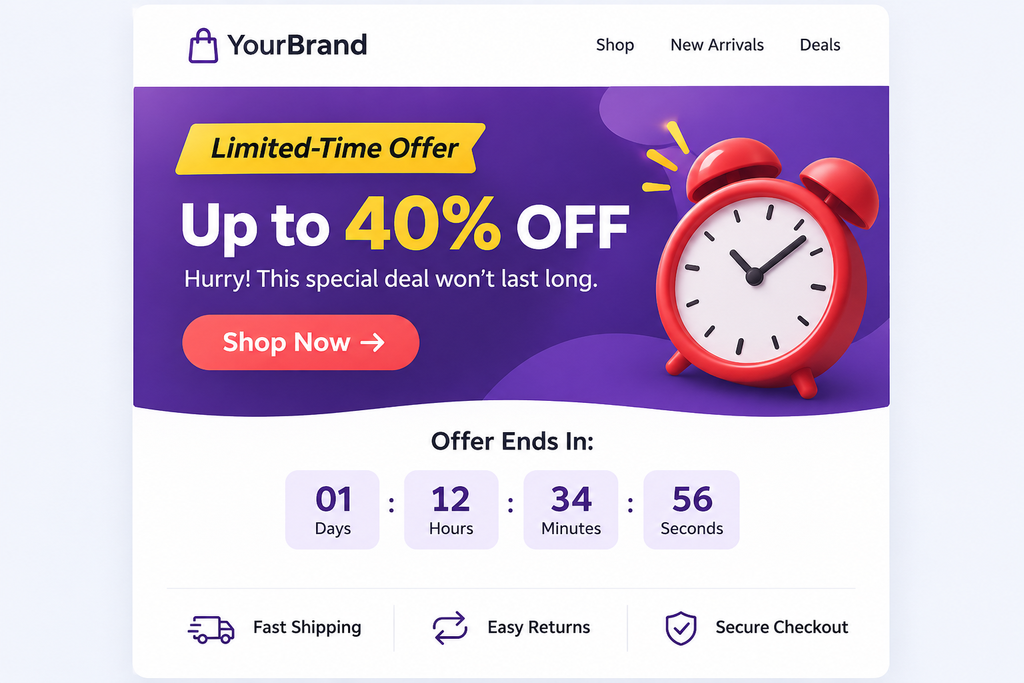
Best for: Sharing a genuine discount or promotion.
Discounts can encourage interested subscribers to take action, but only when the offer is real and relevant.
If an affiliate company announces a genuine promotional price, trial, or special deal, you can share the information with your audience.
Avoid creating artificial urgency or claiming that an offer expires when it doesn’t.
Subject Line Ideas
- A Special Offer on [Product Name]
- Save on [Product Category] While This Deal Lasts
- Don’t Miss This Genuine [Product Name] Promotion
Email Template
Subject: A Limited-Time Offer on [Product Name]
Hi [First Name],
If you’ve been considering [Product Name], there’s an update you might find useful.
The company is currently offering [describe the actual discount or promotion].
Here’s a quick summary:
- Product: [Product Name]
- Regular Price: [Regular Price, if verified]
- Promotional Price: [Discounted Price, if verified]
- Offer Ends: [Actual Expiry Date and Time]
- Important Conditions: [Applicable Terms]
This could be a good opportunity to explore the product if it already fits your needs.
Before purchasing, take a moment to review the available features, pricing conditions, and refund policy.
You can find the official offer here:
[Insert Affiliate Link]
If this isn’t something you need right now, there’s no pressure. Choose what makes sense for your situation.
Best,
[Your Name]
How to Adapt This Email
Always verify the discount, expiry date, and eligibility requirements through the merchant’s official website or affiliate dashboard.
Don’t use fake countdowns or misleading subject lines.
The most effective affiliate marketing email templates communicate urgency through real information rather than pressure.
6. Follow-Up Email Template
Best for: Reconnecting with subscribers who haven’t taken action.
Not everyone clicks your first promotional email. Some subscribers may be busy, while others may need more information before deciding.
A follow-up email gives you another opportunity to answer questions and explain the value of the product.
Subject Line Ideas
- Just Following Up on My Previous Email
- Did You Get a Chance to Check This Out?
- A Few More Details About [Product Name]
Email Template
Subject: Did You Get a Chance to Explore This?
Hi [First Name],
A few days ago, I shared some information about [Product Name].
I wanted to follow up because it may be useful if you’re currently looking for a solution to [specific problem].
One thing worth highlighting is [mention a relevant feature, benefit, or use case].
If you haven’t explored it yet, here’s the link again:
[Insert Affiliate Link]
If you’re still unsure whether it’s right for you, here are a few things to consider:
- Does it solve a problem you’re currently facing?
- Does it fit your budget?
- Are its features suitable for your requirements?
There’s no need to rush into a decision. Take your time and choose what works best for you.
Best,
[Your Name]
How to Adapt This Email
Don’t repeatedly send the same promotional message. Add a new benefit, answer a common question, or share a useful comparison.
You can also use this email to invite readers to reply with their concerns.
These affiliate marketing email templates are most effective when follow-ups feel like helpful reminders rather than repeated sales attempts.
7. Problem-Solution Email Template
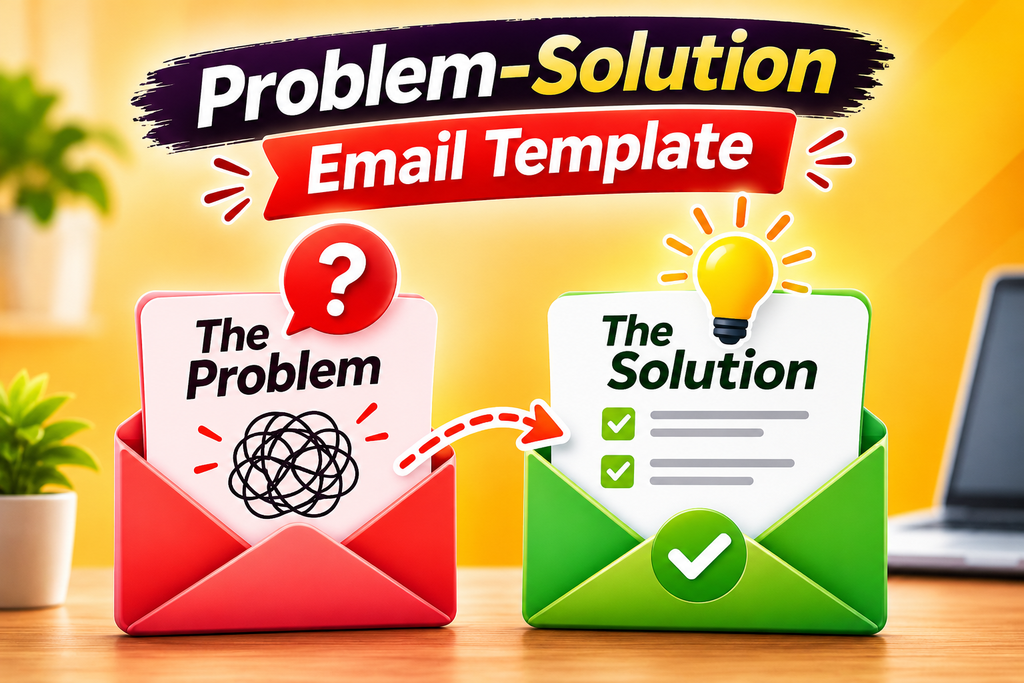
Best for: Connecting a common audience problem with a relevant affiliate product.
One of the simplest ways to make an email engaging is to start with a problem your audience already understands.
Instead of opening with a product name, describe a challenge and explain how readers can approach it.
Subject Line Ideas
- Struggling With [Specific Problem]?
- Here’s a Better Way to Handle [Task]
- Tired of Spending Hours on [Problem]?
Email Template
Subject: Are You Spending Too Much Time on [Task]?
Hi [First Name],
Let’s be honest.
[Describe a common problem your audience experiences.]
It can become frustrating when you spend hours trying to complete a task that could be handled more efficiently.
The good news is that there may be a simpler approach.
Start by identifying the part of the process that takes the most time. Then look for a solution that helps you handle that specific task.
One option worth exploring is [Product Name].
It offers [describe relevant feature] that may help with [specific problem].
You can learn more about it here:
[Insert Affiliate Link]
Just remember that the best solution depends on your goals, budget, and working style.
I hope this gives you a useful starting point!
Best,
[Your Name]
How to Adapt This Email
Think about the everyday frustrations your subscribers experience.
For example:
- Bloggers may struggle with finding relevant keywords.
- Small business owners may need help organizing customer information.
- Affiliate marketers may want a more efficient way to build email lists.
- Freelancers may need tools for managing projects.
The problem should be real, and the recommended solution should genuinely relate to it.
8. Comparison Email Template
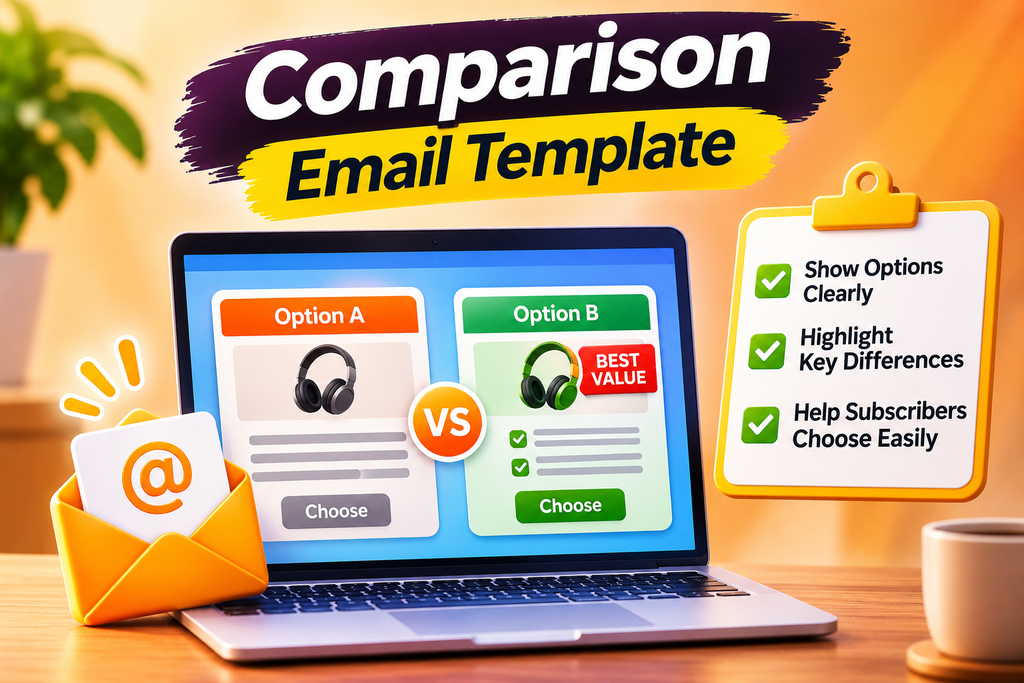
Best for: Helping subscribers choose between similar products.
Many people hesitate before buying because they don’t know which option is better for their situation.
A comparison email can simplify their decision by explaining the differences between two or more products.
Subject Line Ideas
- [Product A] vs. [Product B]: Which Should You Choose?
- Comparing Two Popular [Product Category] Tools
- Which Option Makes More Sense for Your Needs?
Email Template
Subject: [Product A] vs. [Product B] – A Quick Comparison
Hi [First Name],
Choosing the right [product category] tool can be confusing when several options offer similar features.
So, I’ve put together a quick comparison of [Product A] and [Product B].
1. Product A
- Main Purpose: [Description]
- Best For: [Ideal User]
- Key Features: [Verified Features]
- Pricing: [Verified Pricing Information]
2. Product B
- Main Purpose: [Description]
- Best For: [Ideal User]
- Key Features: [Verified Features]
- Pricing: [Verified Pricing Information]
Which One Should You Choose?
If you need [specific requirement], Product A may be worth considering.
If your priority is [different requirement], Product B might be a better fit.
You can explore both options below:
[Product A Affiliate Link]
[Product B Affiliate Link]
My recommendation is to compare the features and pricing carefully before deciding.
Best,
[Your Name]
How to Adapt This Email
Compare products fairly. Use current information from official product pages and don’t declare a winner simply because one program offers a higher commission.
A good comparison helps subscribers understand which product suits their needs.
Among the most practical affiliate marketing email templates, comparison emails can be especially useful for readers who are already researching their options.
9. Case Study or Success Story Email Template

Best for: Explaining how a product or strategy works in a real situation.
Stories can make complicated information easier to understand. A case study email lets you explain a challenge, the steps taken to address it, and the outcome.
However, you should only share genuine results and clearly explain the circumstances behind them.
Subject Line Ideas
- What Happened When [Person or Business] Tried [Strategy]
- A Real Example of [Specific Improvement]
- What We Can Learn From This [Case Study]
Email Template
Subject: A Practical Example of [Specific Strategy]
Hi [First Name],
Sometimes, the easiest way to understand a marketing strategy is to see how it works in practice.
Let’s look at an example.
[Introduce the person, business, or campaign, with permission where necessary.]
The Challenge
[Explain the problem they wanted to solve.]
The Approach
[Describe the strategy, tools, or steps they used.]
The Outcome
[Share verified results, including relevant context and the time period.]
What Can We Learn?
The biggest lesson is that [explain the practical takeaway].
If you’re interested in trying a similar approach, you may want to explore [Product Name or Resource].
[Insert Affiliate Link]
Remember, results depend on several factors, including audience, budget, execution, and market conditions. Your experience may be different.
Best,
[Your Name]
How to Adapt This Email
Don’t invent testimonials, revenue figures, conversion rates, or customer experiences.
If you don’t have your own case study, use a clearly attributed public example or present a hypothetical scenario and label it as such.
These affiliate marketing email templates work best when the story teaches something useful, even to readers who never purchase the recommended product.
10. Re-Engagement Email Template
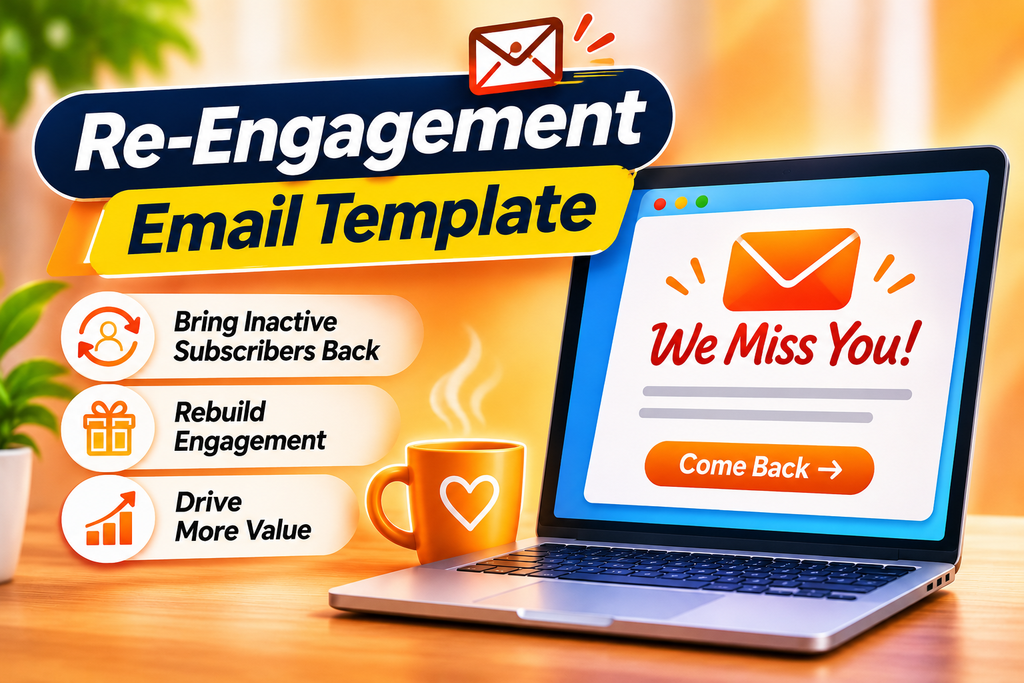
Best for: Reconnecting with inactive subscribers.
Over time, some subscribers stop opening your emails. They may have lost interest, changed their priorities, or simply become overwhelmed by their inbox.
A re-engagement email gives them a chance to reconnect or update their preferences.
Subject Line Ideas
- Still Interested in Marketing Tips?
- It’s Been a While! Here’s What’s New
- Would You Like to Keep Hearing From Us?
Email Template
Subject: Still Interested in Hearing From Me?
Hi [First Name],
It’s been a little while since you’ve interacted with my emails, so I wanted to check in.
I regularly share helpful information about [your niche], including:
- Practical tips and tutorials.
- Useful tools and resources.
- Product comparisons and recommendations.
- Strategies to help you improve [specific area].
If these topics are still relevant to you, I’d be happy to keep sharing useful information.
You can also update your email preferences here:
[Insert Preference Management Link]
If you’d rather not receive these emails anymore, you can unsubscribe using the link below.
Thanks for being part of the community!
Best,
[Your Name]
How to Adapt This Email
Keep the message respectful and make unsubscribing easy.
You can also ask subscribers which topics they’d prefer to receive. Their responses may help you create more relevant content in the future.
The goal of these affiliate marketing email templates is to maintain a healthy, interested subscriber list, not to force inactive readers to stay.
How to Write Affiliate Marketing Emails That Get More Clicks
Having templates is helpful, but your results also depend on how you customize and send your emails.
Here are some practical techniques to improve your email campaigns.
1. Write Subject Lines That Create Curiosity
Your subject line is one of the first things subscribers see.
Keep it clear, relevant, and connected to the actual email content.
For example:
- Instead of “Amazing Product!!!”, try “A Simple Tool for Managing Your Projects.”
- Instead of “Buy Now”, try “Is This the Right Tool for Your Business?”
- Instead of “Best Deal Ever”, try “A Current Discount on [Product Name].”
Avoid misleading subject lines. Curiosity is useful, but readers should receive what the subject line promises.
2. Keep Your Emails Easy to Read
Long paragraphs can make emails difficult to read, especially on mobile devices.
Use:
- Short paragraphs.
- Clear subheadings where appropriate.
- Simple language.
- Bullet points for important details.
- One primary call to action.
Your subscribers should understand your main message without having to read it several times.
3. Focus on Benefits Instead of Features
Features explain what a product offers. Benefits explain why those features might matter.
For example:
Feature: Automated email sequences.
Benefit: You can schedule a series of emails to be sent automatically after someone subscribes.
This small change makes your recommendation easier to understand.
4. Include a Clear Call to Action
Every promotional email should have a clear next step.
Examples include:
- Explore the Product
- Read the Full Review
- Compare Available Plans
- View the Tutorial
- Learn More
Don’t add five different calls to action when one relevant action is enough.
5. Personalize Your Emails
Use a subscriber’s first name when you have permission and reliable data, but don’t stop there.
You can also personalize messages based on:
- Their interests.
- The content they downloaded.
- Their previous interactions.
- Their preferred product categories.
- Their stage in the buying journey.
Relevant personalization is more valuable than adding someone’s name to an otherwise generic email.
6. Be Transparent About Affiliate Links
Always disclose affiliate relationships clearly and in accordance with applicable laws and platform requirements.
A simple disclosure could be:
“This email contains affiliate links. I may earn a commission if you make a purchase through these links, at no additional cost to you.”
Don’t hide disclosures in tiny text or assume that subscribers already understand how affiliate marketing works.
How to Build an Affiliate Email Marketing Funnel
Sending individual promotional emails can work, but a planned sequence gives your subscribers a more organized experience.
Here’s a simple funnel you can adapt.
Step 1: Attract the Right Audience
Start by identifying people who are genuinely interested in your niche.
You can attract subscribers through:
- Blog articles.
- Search engine traffic.
- Social media content.
- Free guides and checklists.
- Webinars.
- Paid advertising.
- Relevant solo ad campaigns.
The goal is to bring interested visitors to a landing page where they can voluntarily subscribe.
Step 2: Create a Useful Lead Magnet
A lead magnet is a free resource offered in exchange for a visitor’s email address.
Examples include:
- A beginner’s guide.
- A checklist.
- A short ebook.
- A resource list.
- A free email course.
- A template collection.
Make sure the resource is relevant to the content and products you plan to recommend later.
Step 3: Set Up Your Landing Page
Your landing page should explain what visitors will receive and why it’s useful.
Include a clear headline, a brief explanation, an email signup form, and a straightforward call to action.
Avoid asking for unnecessary information. In many cases, an email address is enough to begin a basic subscriber relationship.
Step 4: Create an Automated Email Sequence
Once someone subscribes, you can use an email marketing platform to send a planned sequence.
A simple seven-day example could look like this:
Day 0: Welcome Email
Thank the subscriber and deliver the promised resource.
Day 1: Educational Email
Share a useful tip or answer a common question.
Day 3: Problem-Solution Email
Discuss a challenge and explain possible solutions.
Day 4: Product Recommendation
Introduce a relevant affiliate product.
Day 5: Product Review
Share important features, limitations, and practical information.
Day 7: Follow-Up Email
Answer common questions and provide another opportunity to explore the product.
This is an example schedule, not a guaranteed formula. Adjust the frequency according to your audience, content, and engagement.
Step 5: Measure the Results
Track the performance of your emails to understand where improvements are needed.
Important metrics include:
- Delivery Rate: The percentage of sent emails that were successfully delivered.
- Open Rate: The percentage of delivered emails recorded as opened. Keep in mind that privacy features can make this metric less reliable.
- Click-Through Rate: The percentage of recipients who clicked a link in your email.
- Conversion Rate: The percentage of relevant visitors or clicks that completed your desired action.
- Unsubscribe Rate: The percentage of subscribers who opted out.
Use these numbers to identify patterns instead of judging your entire campaign based on one email.
Where Does OptinSoloAd Fit Into Your Affiliate Marketing Strategy?
Creating good emails is important, but your email marketing efforts also need a way to attract relevant visitors and grow your subscriber list.
This is where understanding traffic generation becomes useful.
OptinSoloAd is a platform that offers solo ad traffic services for marketers who want to send visitors to their offers and lead capture pages.
According to its website, the platform sources traffic through multiple channels, including Facebook, YouTube, Google and Bing PPC, Banner Ads, Warrior Plus, CPA Marketing, and selected solo ad sources. It also describes a process involving traffic package selection, campaign review, and campaign launch.
For affiliate marketers, this type of service may be worth exploring when the objective is to attract visitors to a relevant opt-in page and build an email list.
However, there are a few important things to understand before investing in paid traffic.

1. Understand What Solo Ads Actually Do
A solo ad is an advertising arrangement in which a provider sends an email containing your promotional message or link to its subscriber list.
In many campaigns, the link directs readers to your landing page, where interested visitors can subscribe.
The basic process looks like this:
Traffic Source → Landing Page → Email Signup → Follow-Up Emails → Affiliate Offer
This is why email collection and follow-up are important. A click alone doesn’t guarantee that someone will subscribe or purchase.
2. Choose the Right Traffic Package
OptinSoloAd lists different packages based on click volume and traffic targeting.
Its website displays options for different Tier 1 traffic percentages and a separate US-only traffic category.
Before selecting a package, review the current pricing, targeting details, delivery terms, and conditions directly on the website.
Choose based on your campaign objectives rather than simply selecting the largest package.
3. Prepare Your Landing Page First
Sending visitors to an unfinished landing page is a poor use of your advertising budget.
Before launching a campaign, make sure:
- Your headline clearly communicates the offer.
- Your signup form works correctly.
- Your lead magnet is ready.
- Your page loads properly on mobile devices.
- Your privacy information is accessible.
- Your email automation is tested.
OptinSoloAd also describes optional funnel consultation and landing-page assistance as part of its service offering. Check the current package conditions to understand what is included.
4. Use the Right Follow-Up Strategy
Once visitors subscribe, don’t leave them waiting without communication.
This is where the email examples in this article become useful.
You can welcome new subscribers, educate them about your niche, introduce relevant products, and follow up with additional information.
A well-planned sequence gives your audience a reason to remain engaged after the initial visit.
5. Track Your Campaign Before Scaling
Don’t assume that purchasing more clicks will automatically produce more commissions.
Track the number of visitors, email signups, cost per lead, email engagement, affiliate link clicks, and confirmed sales.
For example, if a campaign brings visitors but very few people subscribe, you may need to improve your landing page.
If subscribers join but don’t click your emails, your messaging or product relevance may need attention.
If people click but don’t purchase, investigate the offer, pricing, sales page, and audience-product fit.
The important point is to identify the actual problem before spending more money.
You can learn more about the service and its current offerings at OptinSoloAd.com.
Common Mistakes to Avoid When Using Affiliate Email Templates
Even well-written emails can perform poorly when they’re used incorrectly.
Here are some mistakes worth avoiding.
1. Sending Promotional Emails Too Frequently
If every email asks subscribers to purchase something, they may lose interest.
Balance promotional content with educational information, useful resources, and genuine recommendations.
2. Copying Templates Without Customization
A template written for software buyers may not work for an audience interested in fitness products.
Adapt the language, examples, product benefits, and calls to action to match your readers.
3. Making Unrealistic Income Claims
Never promise guaranteed commissions, instant results, or effortless success.
Affiliate marketing involves audience building, product selection, content creation, and consistent testing.
Results vary from one marketer to another.
4. Promoting Irrelevant Products
A high commission doesn’t automatically make a product a good recommendation.
Focus on products that match your audience’s interests and solve problems they actually have.
5. Ignoring Mobile Readers
Many subscribers read emails on their phones.
Use responsive email designs, readable fonts, short paragraphs, and links that are easy to tap.
6. Forgetting Affiliate Disclosures
Be clear when you may receive compensation from purchases made through your links.
Transparency helps readers understand your recommendations and supports compliance with applicable advertising rules.
7. Ignoring Email Marketing Laws
Follow the email marketing and privacy requirements applicable to your audience and location.
For example, US commercial emails must comply with CAN-SPAM requirements, while UK and European audiences may be subject to additional privacy and electronic marketing rules.
Use appropriate consent practices, provide accurate sender information, include a valid unsubscribe mechanism, and honor opt-out requests.
8. Focusing Only on Open Rates
Open rates can be affected by email privacy features and automated image loading.
Look at multiple indicators, especially clicks, conversions, complaints, and unsubscribes, when evaluating campaign performance.
Best Practices for Creating Your Own Affiliate Email Templates
Once you understand the ten examples, you can create a reusable email library for your business.
Here are a few practical suggestions.
Keep a separate template for each purpose. Store welcome emails, educational emails, reviews, comparisons, and promotional emails in clearly named folders.
Maintain your brand voice. Decide whether your communication should sound friendly, professional, educational, or conversational. Stay reasonably consistent.
Use verified product information. Check features, pricing, discounts, refund terms, and availability before mentioning them.
Test one major change at a time. For example, test two subject lines while keeping the email body the same. This makes it easier to understand what influenced the results.
Review older templates regularly. Products change, links expire, and promotional conditions get updated. Check your saved messages before reusing them.
Respect subscriber preferences. Send relevant emails at a reasonable frequency and make it easy for people to unsubscribe.
A well-organized library of affiliate marketing email templates can become a valuable part of your marketing workflow, especially when you promote multiple products or manage several campaigns.
Conclusion
Affiliate marketing isn’t just about finding products and placing links in front of people. It’s about understanding your audience, solving their problems, and communicating recommendations in a way that feels useful and trustworthy.
That’s why having the right affiliate marketing email templates can make such a difference to your workflow.
From welcoming new subscribers and sharing educational content to recommending products, writing comparisons, and reconnecting with inactive readers, each email serves a different purpose.
The ten examples in this guide give you a practical starting point. Customize them with your own experience, audience insights, product information, and communication style. Don’t copy and send them without checking whether the message fits your campaign.
Also remember that good email content needs the right audience. Build a relevant subscriber list, create a useful landing page, and track what happens after someone clicks your links.
If you’re exploring ways to bring more visitors to your opt-in pages, you can also learn about the traffic services offered by OptinSoloAd. Its solo ad traffic approach is one option to investigate as part of a broader lead-generation strategy. As with any paid traffic service, review the details and measure your results before increasing your investment.
Start with one email, test it, learn from the response, and improve your next campaign. Consistent, useful communication is a much stronger foundation for long-term affiliate marketing than sending promotional messages without a clear strategy.
FAQs
1. What are affiliate marketing email templates?
Affiliate marketing email templates are reusable email formats designed to help marketers promote affiliate products and services. They provide a basic structure for welcome messages, product recommendations, reviews, follow-ups, comparisons, and other campaign emails. You can customize them with your own content, affiliate links, and audience-specific information.
2. How do I write an effective affiliate marketing email?
Start with a clear subject line and an opening that addresses something your audience cares about. Explain the problem, provide useful information, and introduce a relevant product when appropriate. Include a clear call to action, disclose your affiliate relationship, and keep the message easy to read. Always make sure your claims are accurate and your links work.
3. Can beginners use affiliate marketing email templates?
Yes. Beginners can use templates to understand how different types of marketing emails are structured. Start with a welcome email, followed by educational messages and relevant product recommendations. As you gain experience, customize your templates using subscriber feedback and campaign performance data.
4. What should an affiliate marketing welcome email include?
A welcome email should thank the subscriber, introduce your brand, explain what kind of information they can expect, and deliver any promised free resource. You can also invite readers to reply with their interests or questions. Avoid overwhelming new subscribers with several product promotions immediately after signup.
5. What is a cold email template for affiliate marketing?
A cold email template for affiliate marketing is a message used to introduce a relevant business opportunity, partnership, or collaboration to someone with whom you haven’t previously communicated. It should be personalized, transparent, concise, and relevant to the recipient. Don’t confuse cold outreach with permission to add people to a promotional mailing list. Follow applicable marketing, privacy, and anti-spam laws.
6. Where can I find free email templates for affiliate marketing?
You can create your own templates using the examples in this article, explore templates included in email marketing platforms, or use free resources from reputable marketing websites. Before using any template, check whether it fits your audience and campaign. Free templates should always be customized rather than copied blindly.
7. How many emails should I send to affiliate subscribers?
There isn’t one ideal number for every audience. Your sending frequency depends on subscriber expectations, the value of your content, and your campaign objectives. A beginner welcome sequence might contain three to seven emails spread across several days, but this is only an example. Monitor engagement, complaints, and unsubscribes to find a suitable schedule.
8. How do I promote affiliate products without sounding too salesy?
Focus on helping readers make informed decisions. Explain the problem a product solves, describe its relevant features, share genuine advantages and limitations, and compare alternatives where appropriate. Avoid exaggerated claims and constant purchase reminders. Educational content and honest recommendations help make promotional emails feel more natural.
9. Do I need an email list to start affiliate marketing?
You don’t necessarily need an email list to begin affiliate marketing because products can also be promoted through blogs, social media, videos, and other permitted channels. However, building a permission-based email list gives you a direct way to communicate with interested subscribers over time. A landing page and useful lead magnet can help you start building one.
10. Can solo ads help grow an affiliate marketing email list?
Solo ads can send visitors from an advertising provider’s email audience to your landing page. If those visitors are interested and choose to subscribe, you can build your email list and follow up with relevant content. However, traffic doesn’t guarantee subscribers or sales. Check the traffic source, targeting, delivery conditions, and tracking results carefully. Services such as OptinSoloAd offer solo ad traffic packages that marketers can investigate as one possible part of their lead-generation strategy.
2 thoughts on “10 Affiliate Marketing Email Templates You Can Adapt”